Federated-Auth
Principal Investigator · MOE AcRF Tier 1
2024–2026 · S$150,000
Federated authentication on mobile devices with multiple biometric modalities.
Research portfolio
My research brings together multimodal sensing, privacy-preserving learning, and mobile and pervasive infrastructure. These projects connect advances in learning with the realities of devices, people, and everyday environments.
Selected projects supporting research, collaboration, and translation.
Principal Investigator · MOE AcRF Tier 1
2024–2026 · S$150,000
Federated authentication on mobile devices with multiple biometric modalities.
Principal Investigator · SIT Ignition Grant
2024–2026 · S$150,000
Service personalisation and seamless check-in, in collaboration with Neoma.
Principal Investigator · Academy of Medical Sciences, UK
2024–2026 · £25,000 networking grant
Multimodal human behaviour analysis for privacy-preserving healthcare with federated learning.
Oversea Co-Lead: Professor Fani Deligianni, University of Glasgow.
Co-Principal Investigator · MOE AcRF Tier 1
2026–2028 · S$21,940
Digital peer support and social reconnection after stroke. Technical contribution: digital platform architecture and AI-assisted peer matching.
Principal Investigator: Assistant Professor Sharon Fong Mei Toh.
Seeing beyond RGB on consumer devices
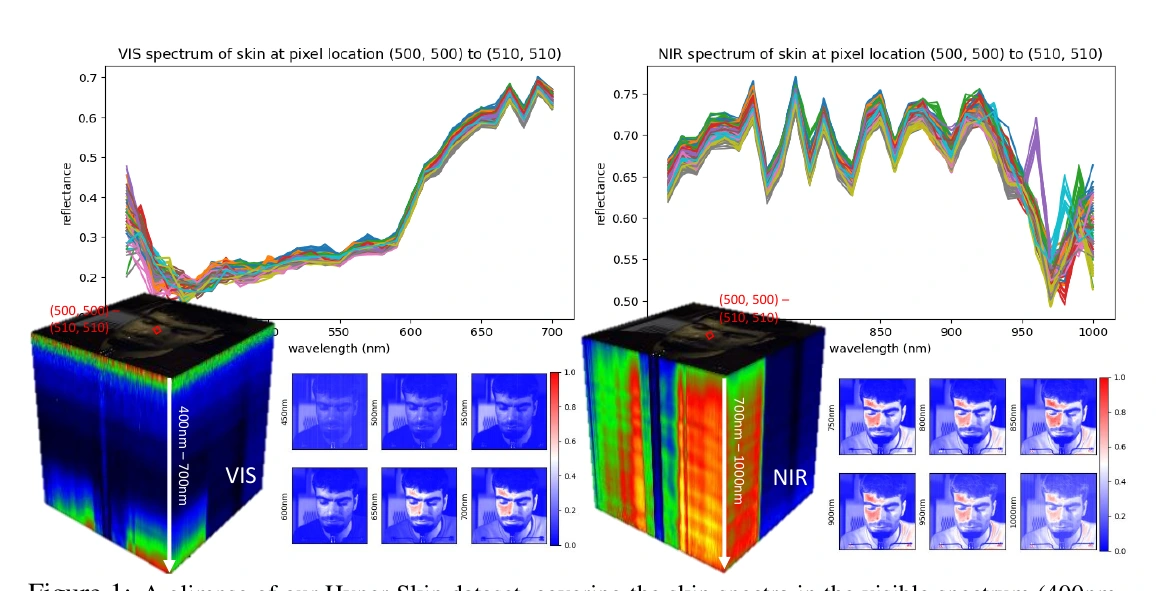
Reconstructing facial skin spectra from ordinary camera images. Hyper-Skin pairs RGB inputs with hyperspectral measurements, providing a dataset and benchmark for studying spectral reconstruction on consumer devices.
Research contribution. Dataset design, spectral reconstruction, and the ICASSP 2024 Hyperspectral Skin Vision Challenge.
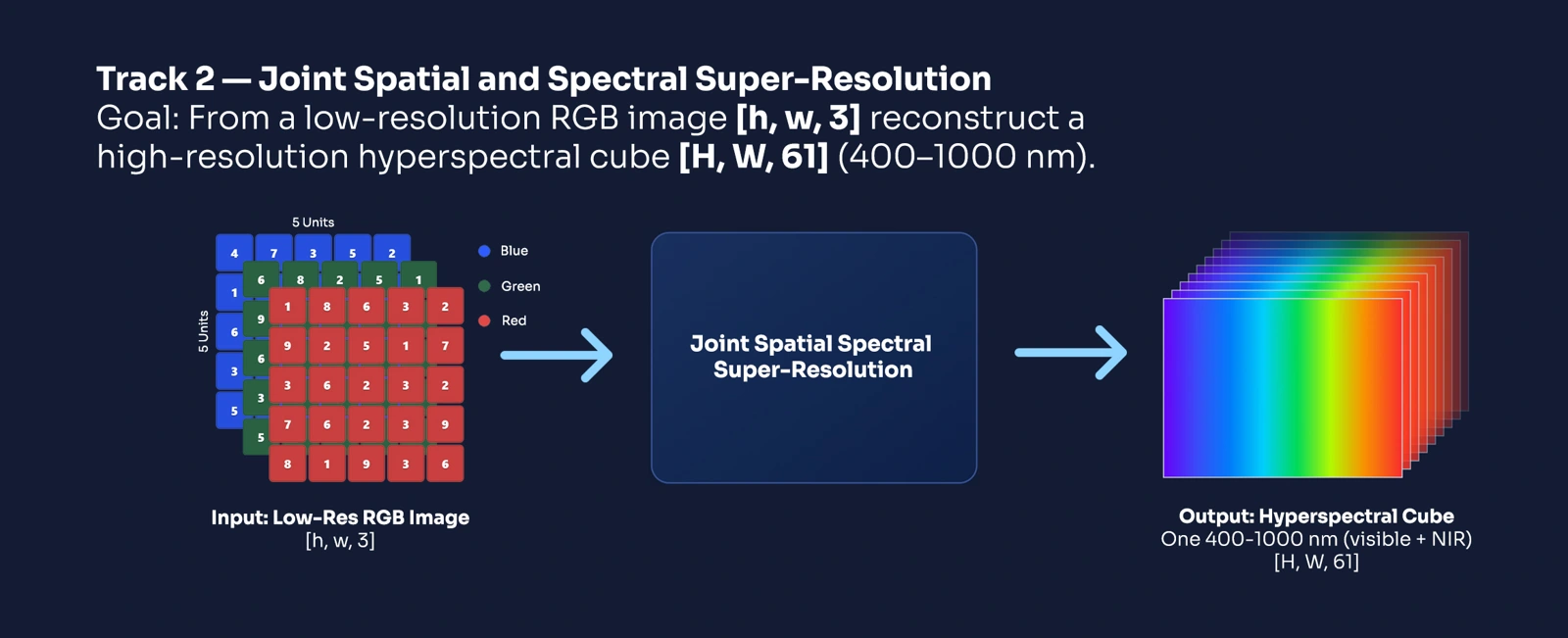
Low-cost inputs, richer spectral information
Learning to recover the spectral information of everyday objects from affordable imaging inputs. The ICASSP 2026 challenge studies spectral reconstruction from mosaic images and joint spatial–spectral super-resolution from low-resolution RGB images.
Research contribution. Challenge chair and organiser; benchmark and evaluation design for accessible hyperspectral imaging.
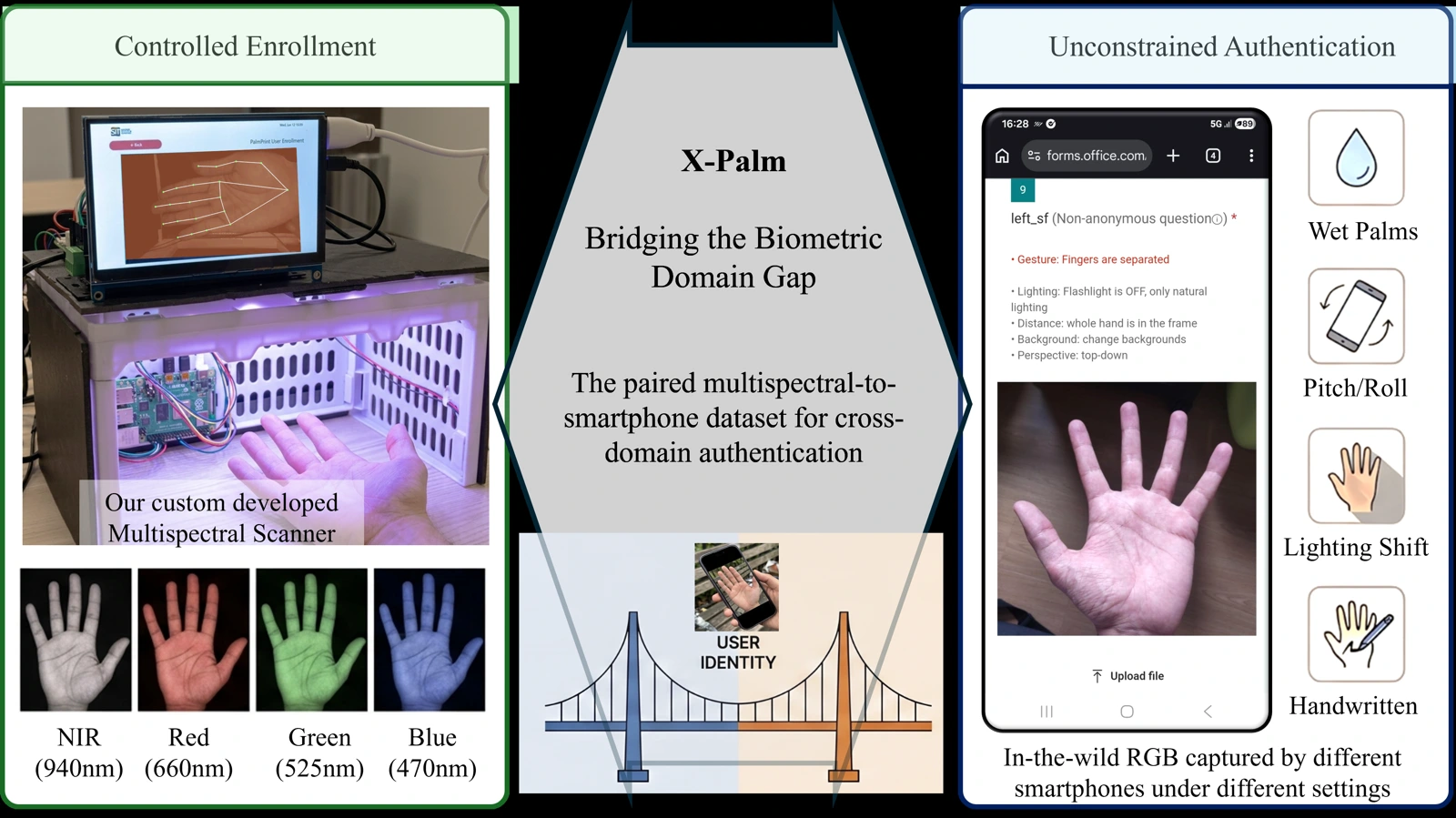
Biometrics across devices and environments
Connecting controlled multispectral enrollment with everyday smartphone authentication. X-Palm provides paired palmprint data for studying cross-domain robustness; the broader Federated-Auth programme investigates privacy-preserving learning across multiple biometric modalities.
Research contribution. Principal investigator, Federated-Auth; paired multispectral–smartphone data and research on federated palmprint authentication.
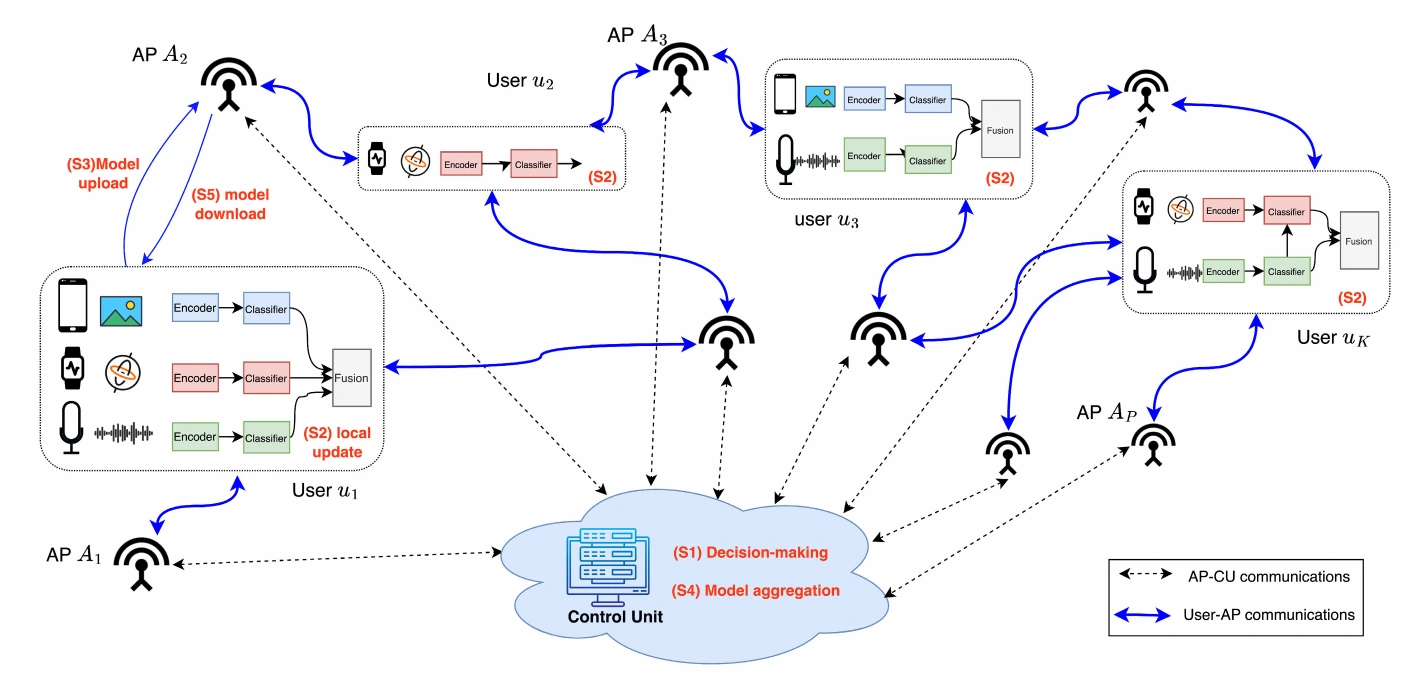
Learning human behaviour across distributed devices
Privacy-preserving activity recognition from physiological and wireless signals. This work connects personalised federated learning, heterogeneous sensing, and communication-aware learning over distributed mobile and IoT infrastructure.
Research contribution. FedGraph for personalised physiological-signal learning; collaborative work on hierarchical multimodal learning and cell-free massive MIMO systems.
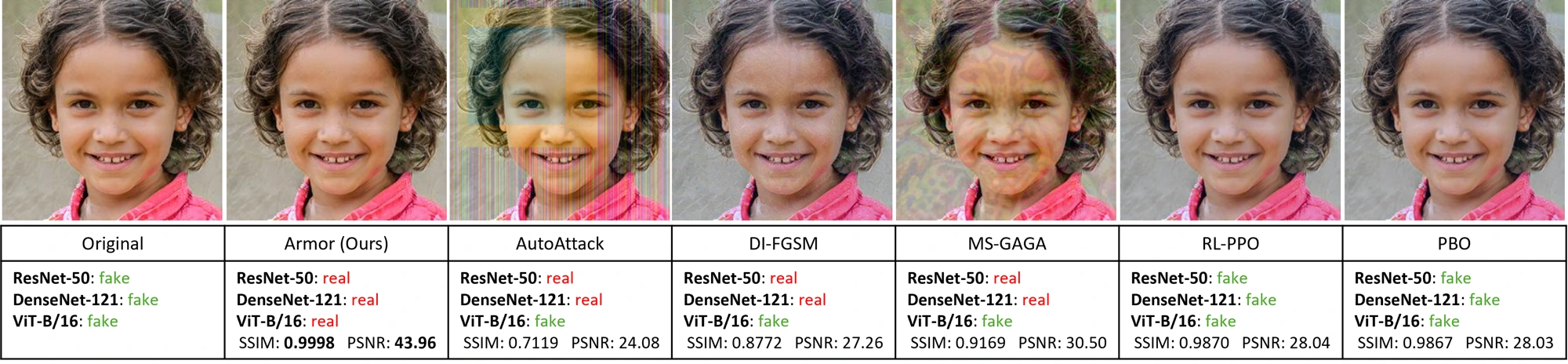
Agentic reasoning for robust vision
Studying the reliability of deepfake detectors through agentic adversarial evaluation. Vision-language and language-model agents coordinate complementary methods, exposing weaknesses in cross-model robustness and informing more trustworthy visual systems.
Research contribution. Collaborative research on agentic orchestration and deepfake robustness; related work on personalised federated detection through FLAP.
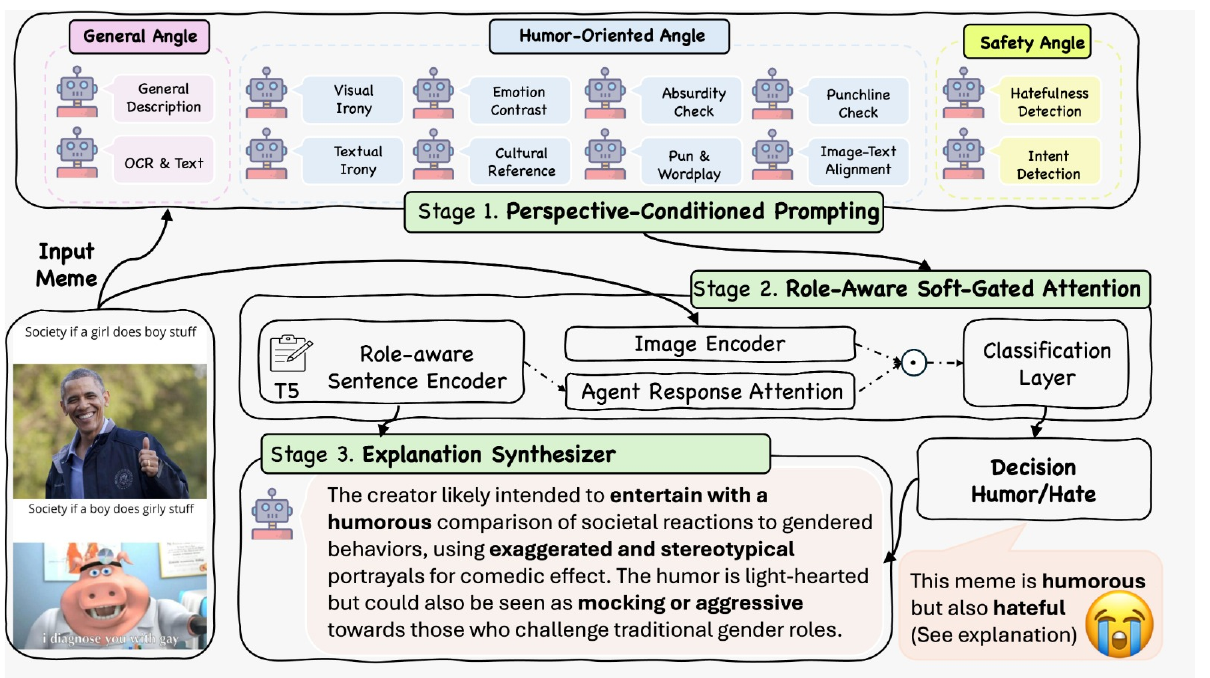
Structured reasoning, evidence acquisition, and trustworthy assistance
MAR-12 reasons across twelve complementary perspectives to detect and explain harmful humor in memes. This research programme also studies open-world knowledge acquisition for evolving memes, profile-aware planner–critic remediation, and multi-agent workflows for practical assistance.
Research contribution. Collaborative research and student supervision in trustworthy applied AI, reasoning, and practical agentic systems.
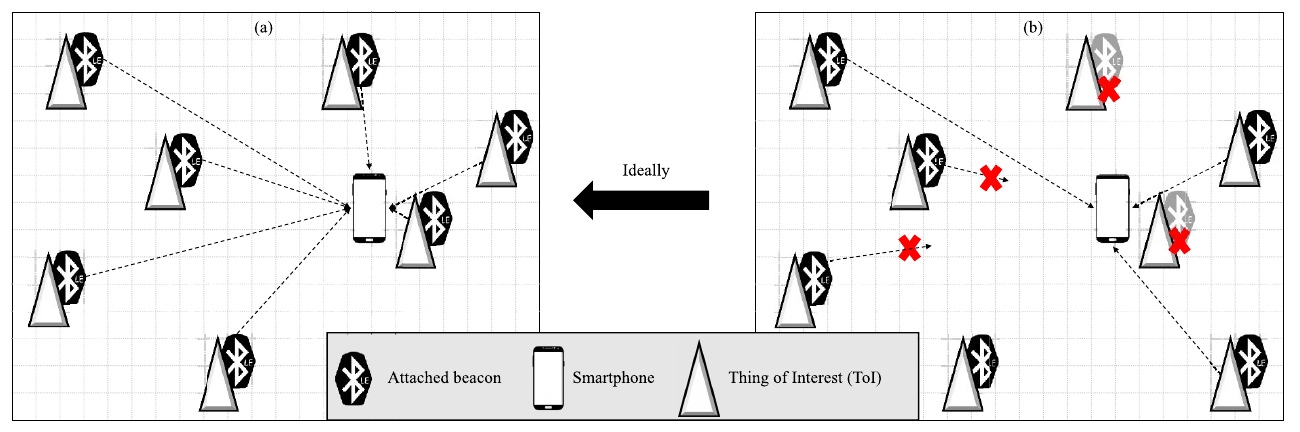
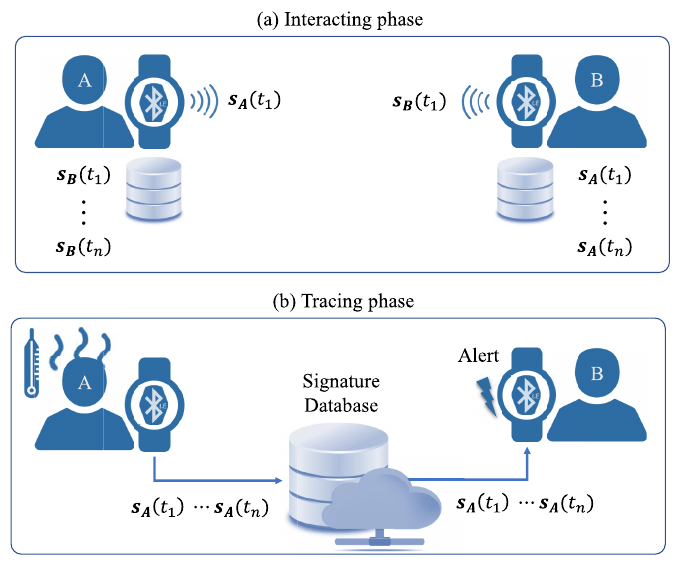
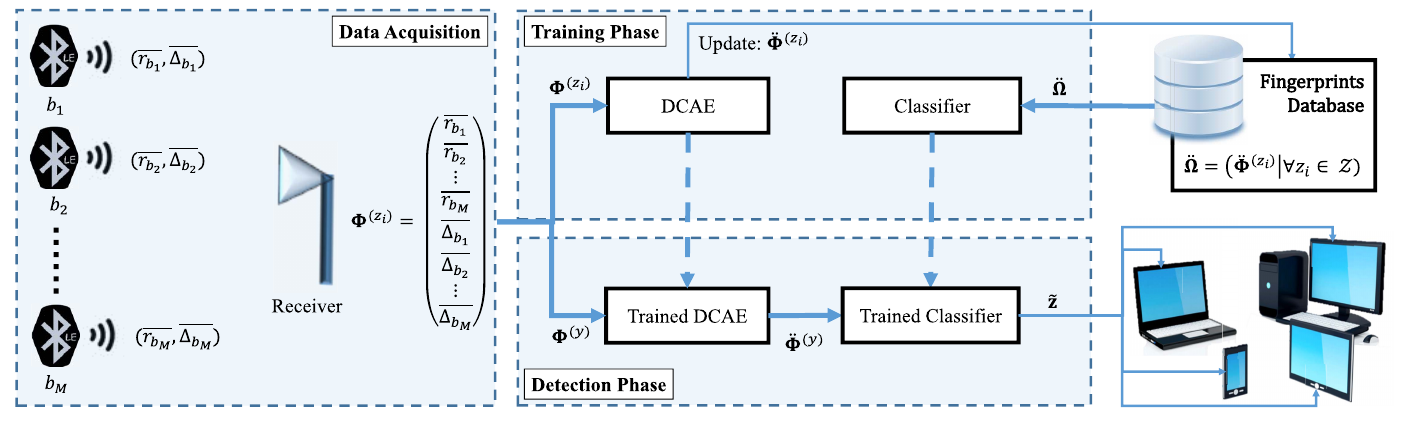
My earlier research on Bluetooth Low Energy, proximity sensing, and wearable contact tracing established the wireless and mobile foundations of my current work. It connects reliable sensing in dense BLE networks with device-free occupancy detection and privacy-preserving exposure tracking.